New search
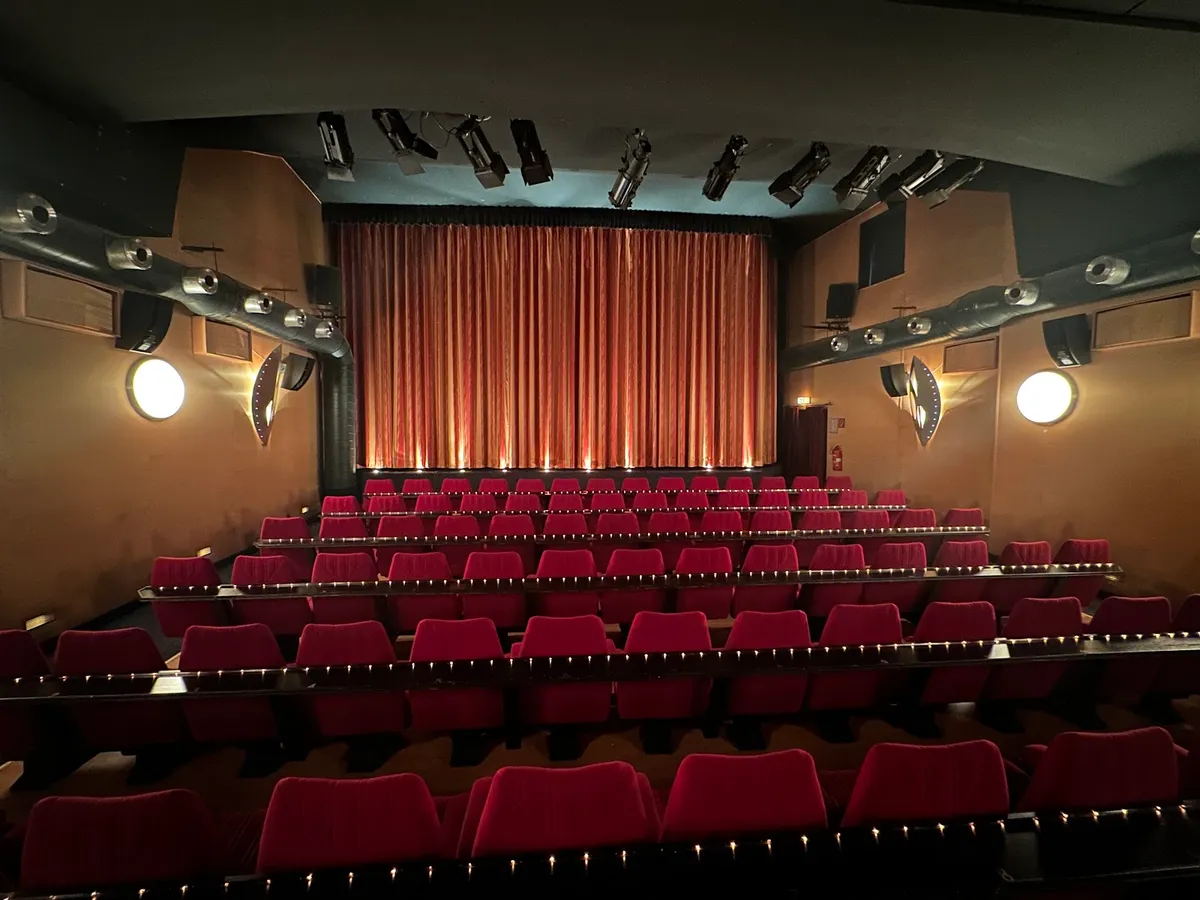
Brückstraße 66, 44135 Dortmund
The Schauburg opened at Brückstraße 66 on 1 September 1912 as the Corso-Lichtspiele, was renamed Kammerlichtspiele a year later and took its present name in 1921. An air raid in 1944 left little of it. Film was running again provisionally in the summer of 1945, with the formal reopening in 1948. In the mid-1970s the balcony was walled off into a second auditorium, and after the rebuild of 2002/03 the two halls seat 159 and 101. Digital projection arrived with the centenary in 2012 and was replaced by Christie laser projectors in 2024/25. The house describes its own programme as a mix of arthouse and mainstream, filled out with festivals, school-cinema weeks, readings and live events. In central Dortmund it is the standing alternative to the multiplex; screenings listed here run in German.
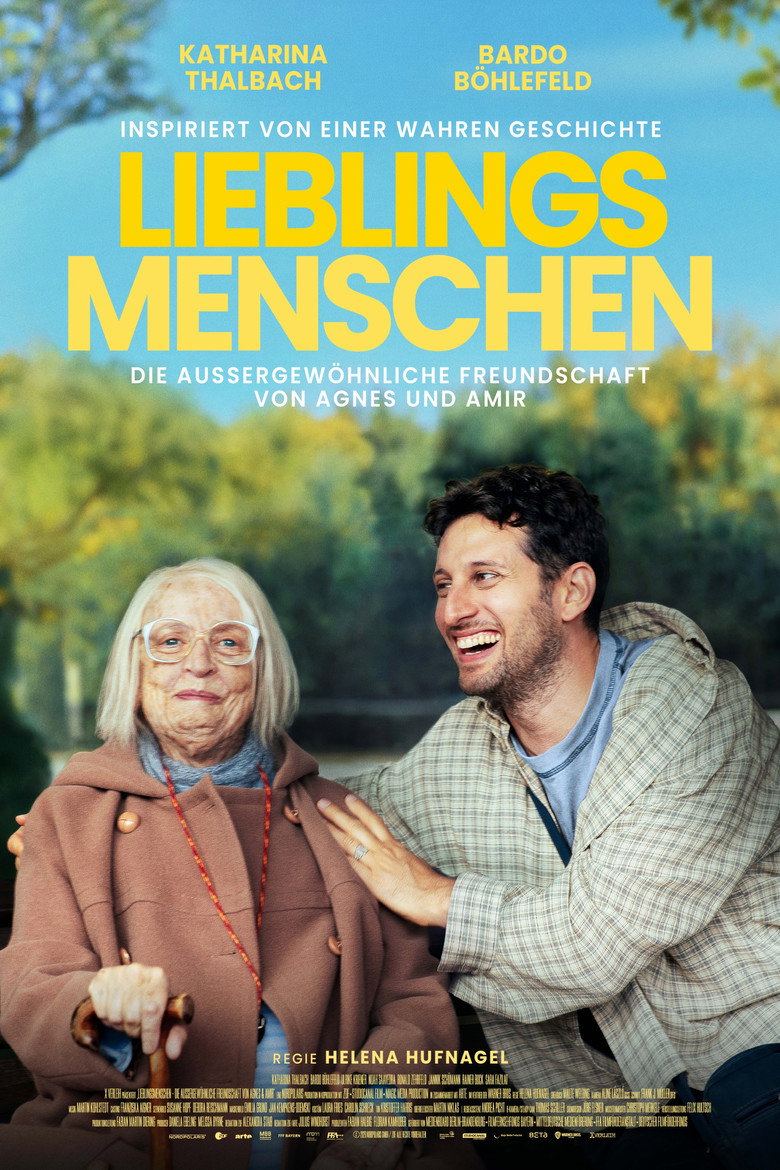
Amir is 28, gay and has just fled from Iran. Agnes is 101 and still too young for a retirement home - she thinks. The two move in together - and save each other's lives.
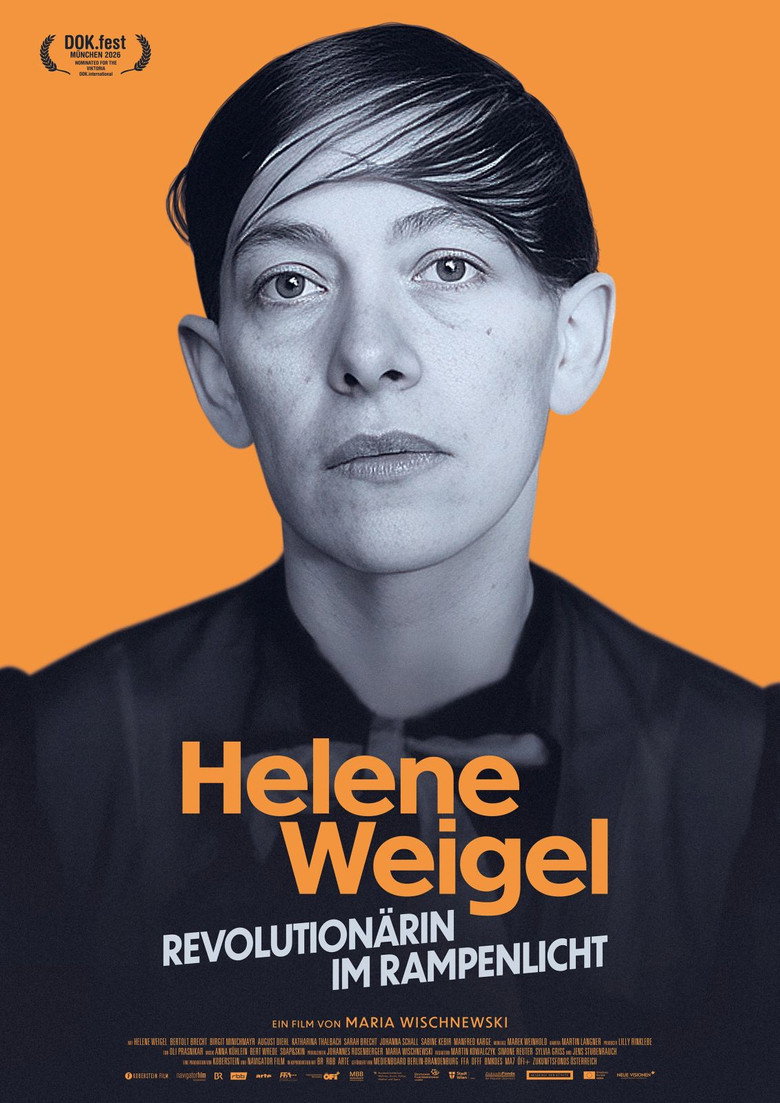
Who was Helene Weigel? Using impressive archive material, the film follows the convinced communist, acting icon, and free spirit from her early days in theater to her escape from the Nazi regime to the founding and management of the Berliner Ensemble. The result is a powerful portrait that finally puts the “woman at Brecht's side” in the spotlight.

A student named Nivedita finds an old photo of her professor and discovers the latter had been living a lie. Saraswati, of all people — a woman of color who lectures on cultural identity — is in fact white. While the media and online community whip up a frenzy, Nivedita faces a political and personal dilemma as she tries to find out Saraswati's motive.
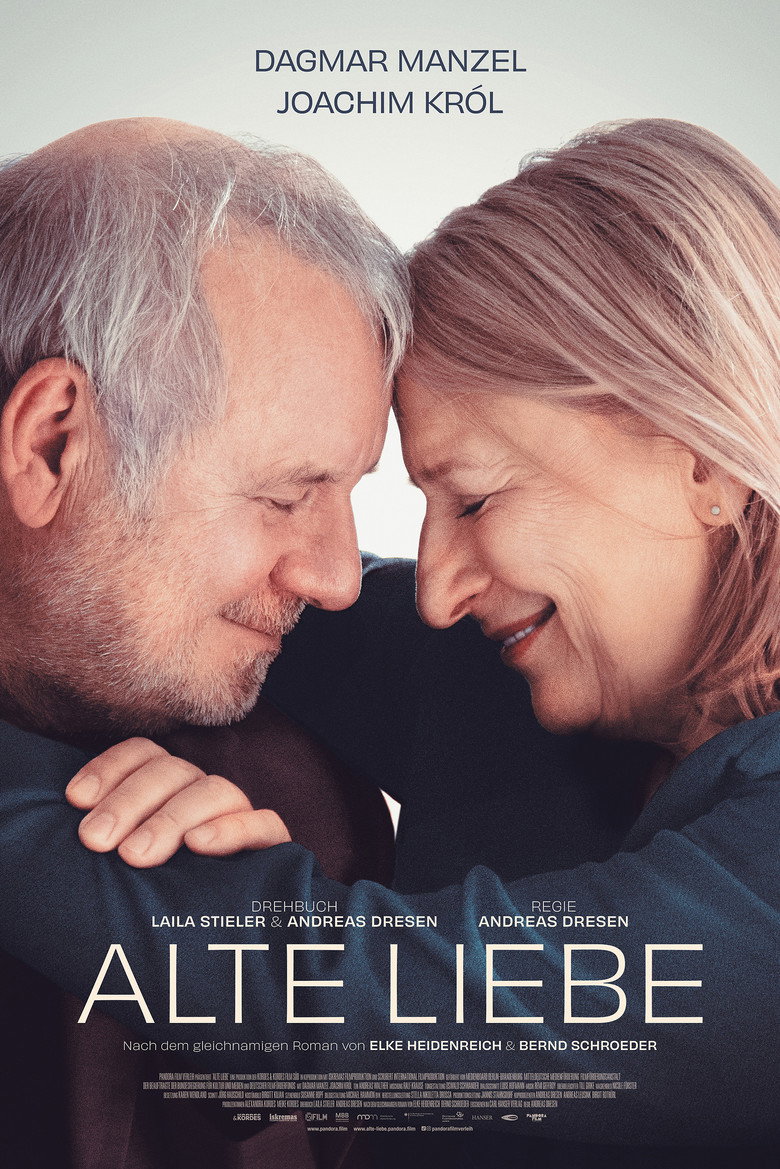
The everyday life of a married couple at a turning point: Lore wants a divorce—after almost 40 years of marriage.
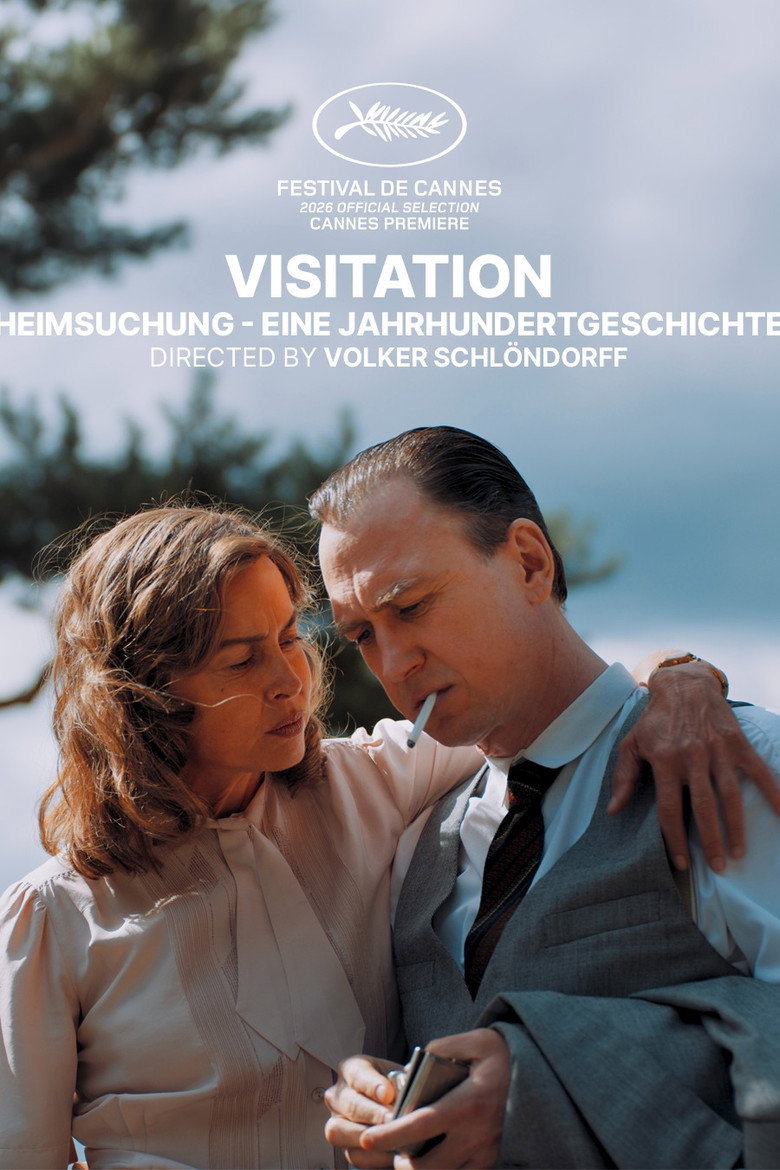
A plot of land, a house by the lake, its changing inhabitants. This one plot of land reflects 70 years of German history from Weimar, the Nazis, the war, the Soviet occupation and reconstruction to the fall of the GDR.