New search
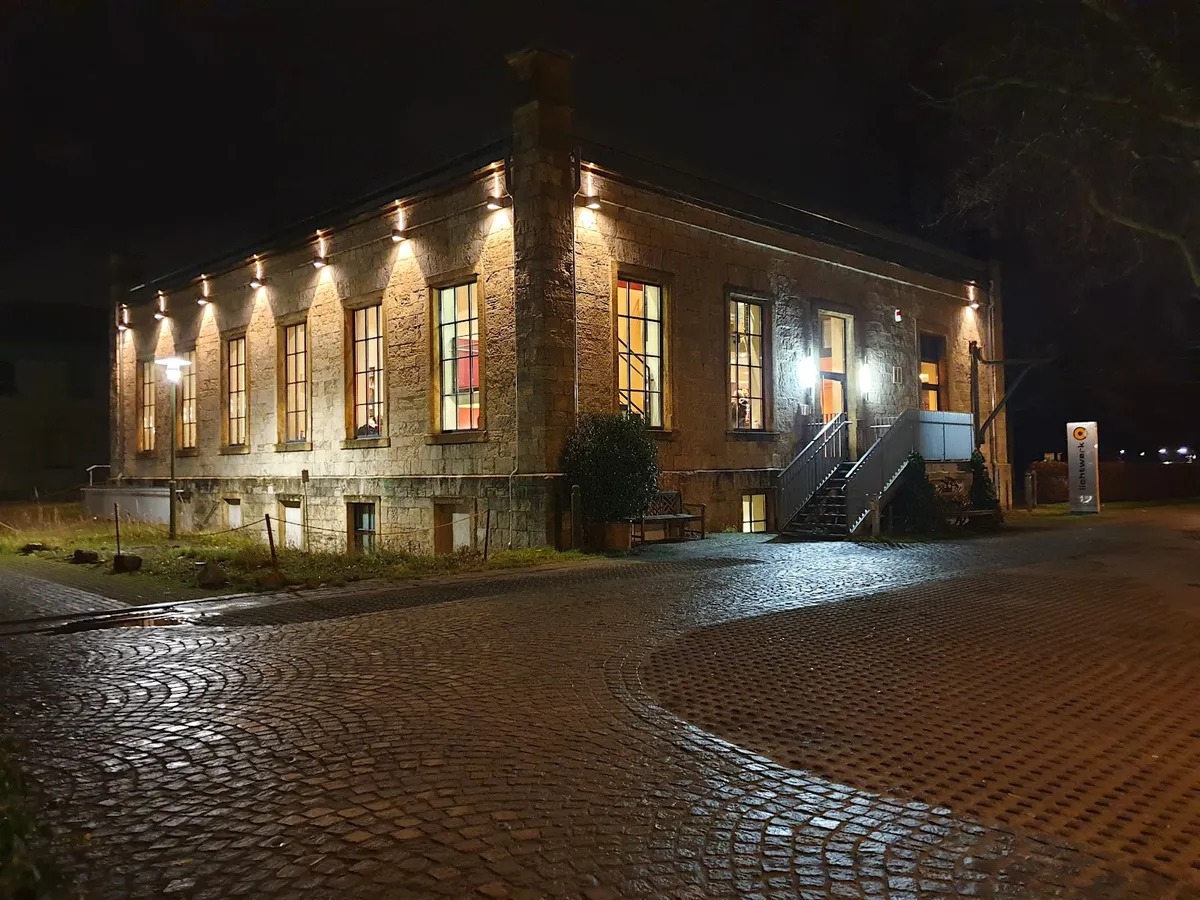
Ravensberger Park 7, 33607 Bielefeld
Film-loving students founded the Lichtwerk in 1985 to show films that were not running anywhere else. The first venue was on August-Bebel-Straße and was soon too small. In January 2006 the cinema moved into the rebuilt Alte Tischlerei in the listed Ravensberger Park, with three halls, a large foyer and a small lounge. All three are air-conditioned. werk1 seats up to 134 and is the largest of the six halls the company runs together with the Kamera. Wheelchair spaces sit in the front row in werk1 and in the back row in werk2 and werk3. In summer the audience sits outside in the shade of an ancient plane tree. Every year the house hosts the Bielefelder KinderFilmFest, with workshops alongside the films. Since April 2025 the company has used neither Facebook nor Instagram. The programme goes out on its own website, in the newsletter, in the daily paper and on a printed flyer.
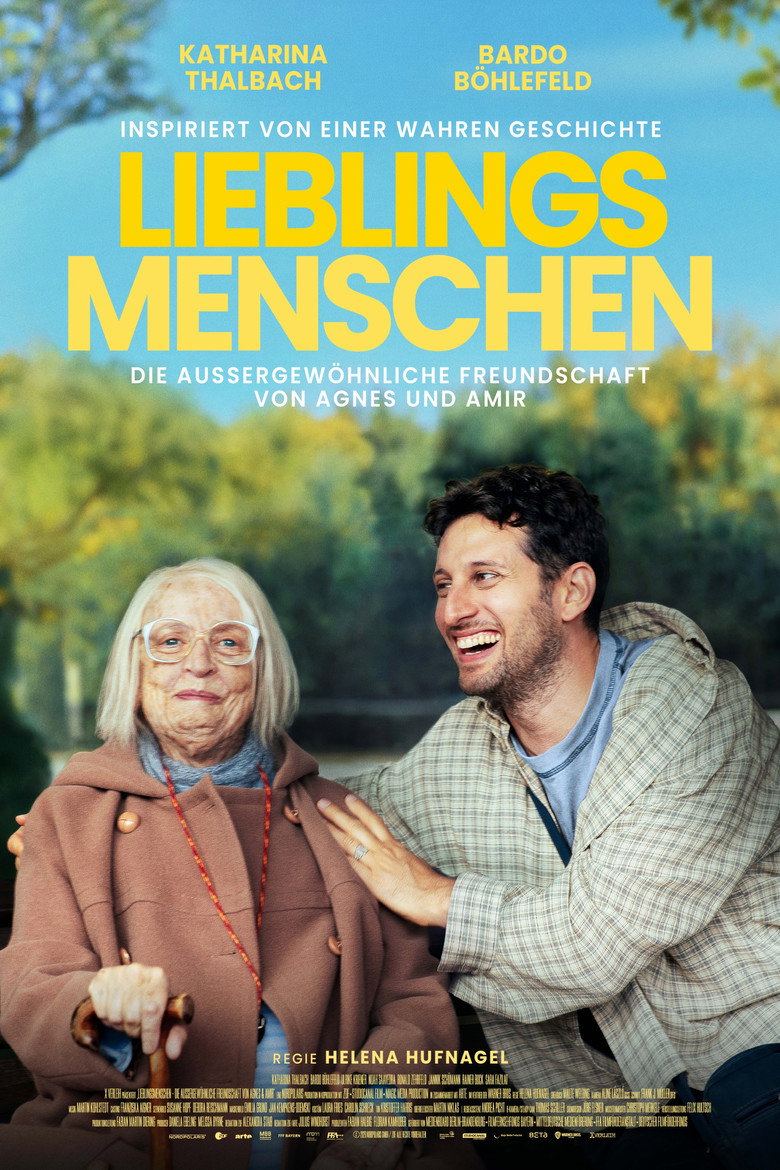
Amir is 28, gay and has just fled from Iran. Agnes is 101 and still too young for a retirement home - she thinks. The two move in together - and save each other's lives.
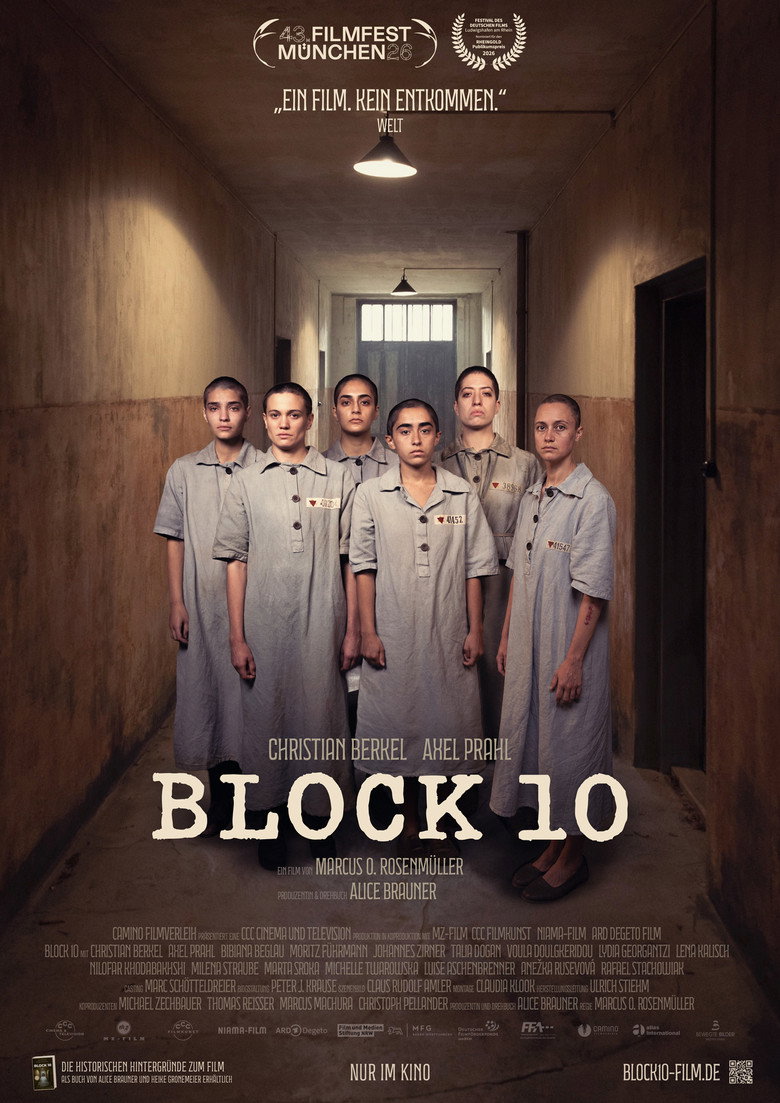
In early 1943, at the Auschwitz main camp, hundreds of Jewish women are confined in cramped quarters in BLOCK 10, which is separated from the rest of the camp grounds. Nazi doctors subject them to the most painful methods of forced sterilization. Prisoner doctors are forced to collaborate. The Jewish gynecologist Dr. Maximilian Samuel is blackmaile…
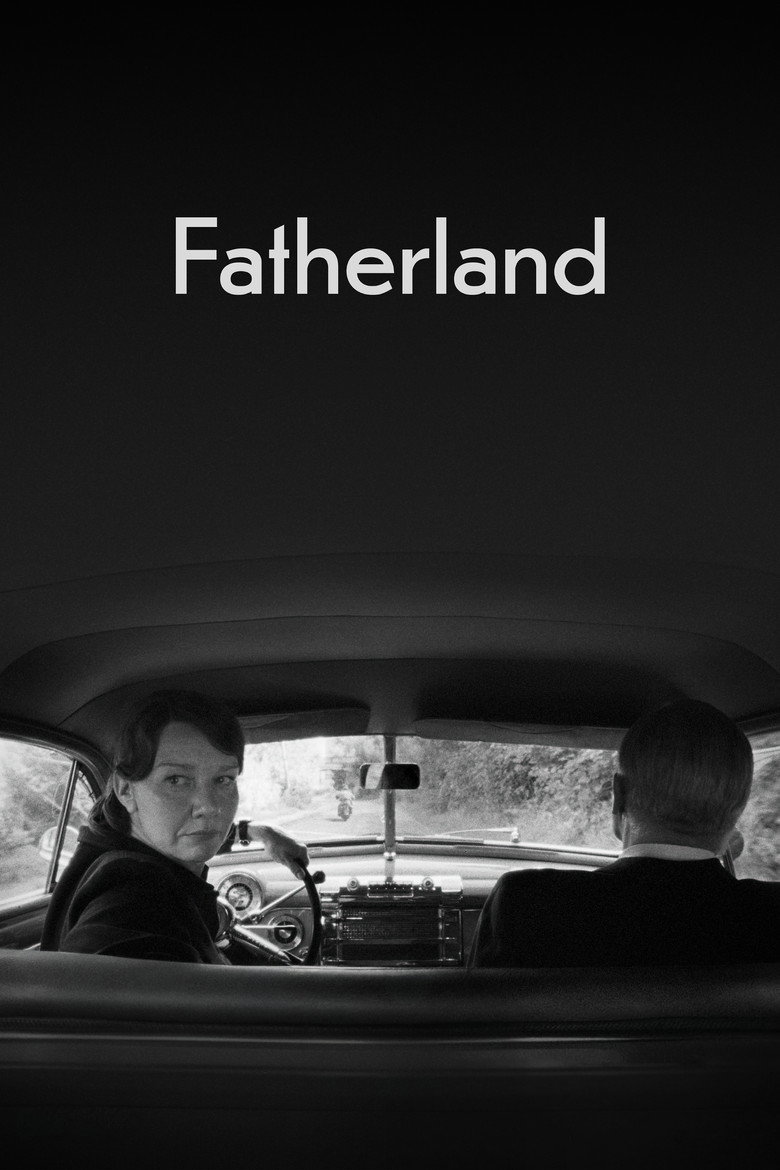
In 1949, German writer Thomas Mann and his daughter Erika embark on a road trip across a Germany in ruins, from US-dominated Frankfurt to Soviet-controlled Weimar.
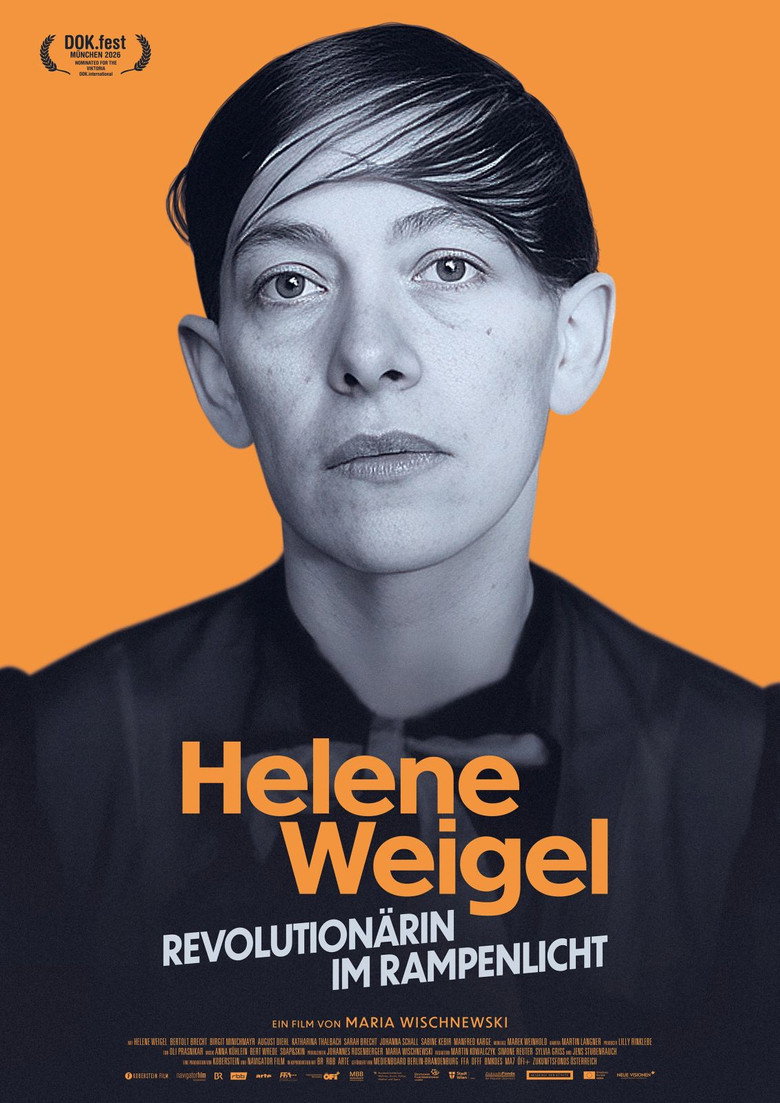
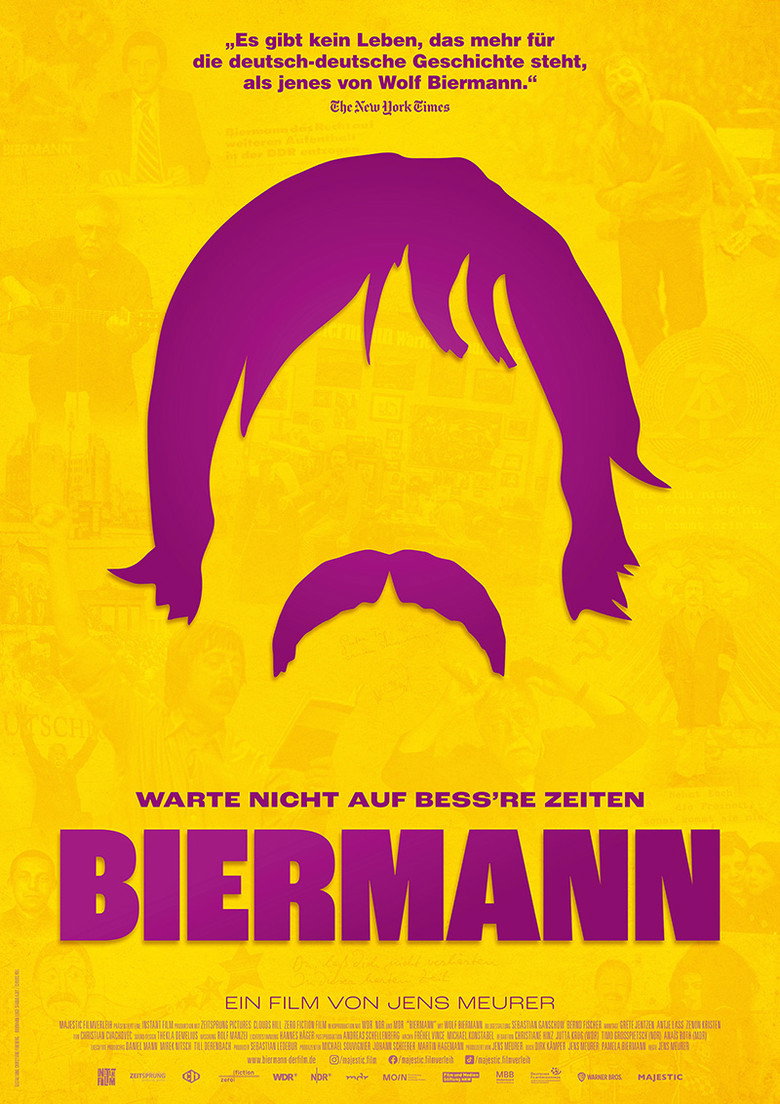
Who was Helene Weigel? Using impressive archive material, the film follows the convinced communist, acting icon, and free spirit from her early days in theater to her escape from the Nazi regime to the founding and management of the Berliner Ensemble. The result is a powerful portrait that finally puts the “woman at Brecht's side” in the spotlight.